


An EU Affordable Housing Plan for all
Housing is a cornerstone of social inclusion and a foundation for dignity, access to social services, health and wellbeing. Yet, housing affordability is a major problem for many people across the EU – especially for people experiencing marginalisation, discrimination and exclusion.
The first ever Affordable Housing Plan unveiled by the European Commission this week is an important step towards creating a shared vision and generating momentum for action. To deliver real impact for everyone in society, concrete measures to address the most extreme forms of housing exclusion are crucial. Its implementation must also go beyond supply and enable narrative and structural change so that no one is left behind.
Housing crisis urgency
Rents and house prices are rising faster than incomes. Low-income households, young people, persons with disabilities and migrants, are among those worst affected. Housing is a basic need and a fundamental right. Unlike other expenses, it is not something people can simply cut back on when costs increase.
Without stable housing, people are locked out from essential aspects of socio-economic inclusion, such as securing employment, enrolling children in school and registering with a doctor. Housing insecurity also takes a serious toll on mental health, especially for children. This is why addressing the housing crisis is urgent.
Across Europe, Red Cross societies work daily with people without a home, or who are living in inadequate, precarious or over-crowded conditions. They often step in with food aid, shelter and other emergency assistance – services that are increasingly under pressure. This growing reliance on first line support reflects gaps in second-line systems, such as access to stable housing, social services and effective pathways to inclusion.
Our colleagues see how limited options, fragmented support and structural barriers make it difficult for many people experiencing vulnerability to transition into safe, stable and sustainable homes.
Despite housing traditionally being a Member State competence, the Affordable Housing Plan paves the way for a common EU ambition. It aims to create more affordable housing through four pillars: 1) boosting housing supply, 2) mobilising investment, 3) enabling immediate support while driving reforms, and 4) protecting the most affected – which includes preventing and addressing homelessness.
However, the Plan misses a critical opportunity to seriously counter the most extreme form of housing deprivation: homelessness.
Reflecting the complexity of homelessness
Homelessness is a complex and multifaceted issue that cannot be resolved through emergency responses alone. Policies must combine immediate support with strong prevention measures and pathways into sustainable, adequate housing, accompanied by tailored social support.
People who are at risk of already experiencing homelessness are not a homogenous group. Certain policy choices can significantly exacerbate their risk.
Young people may face homelessness after leaving care or due to family breakdown, while women often experience hidden homelessness, linked to domestic violence or economic dependency. Families and single parents can also be pushed into homelessness through eviction or inadequate housing. Others, including people sleeping rough or living with complex physical and mental needs, require intensive, trust-based outreach and long-term accompaniment.
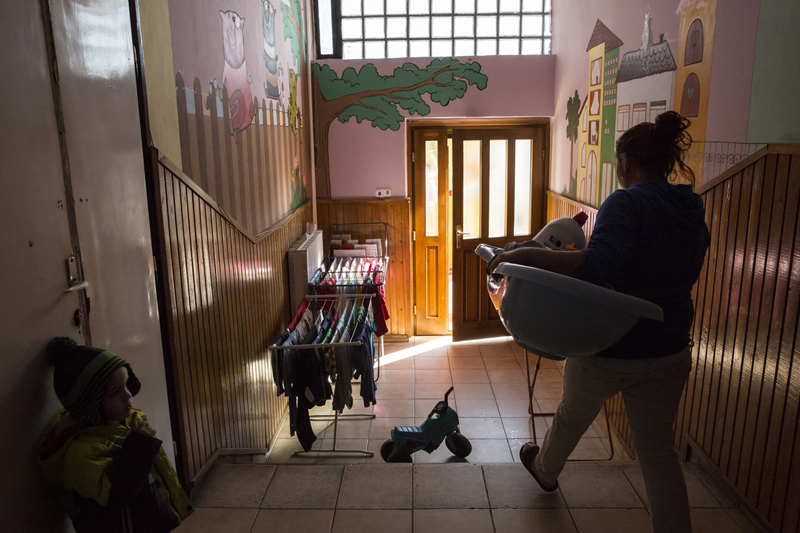
Restrictive migration policies have increased migrants’ risk of homelessness. Contributing factors include poor preparedness to house newcomers, asylum backlogs, limited access to legal residence, and weak investment in early integration. Although often portrayed as “queue-jumpers,” migrants in reality face stigma and discrimination, lack resources to enter the private rental market, and are largely excluded from social housing.
Beyond supply – narrative and structural change
Housing is predominantly treated as a commodity – an asset to buy and sell, invest in and profit from. This approach coupled with the lack of long-term investments in inclusive and sustainable quality housing has fed the chronic housing crisis in Europe. Encouragingly, the Plan addresses structural root causes, such as financialisation and speculation.
But beyond all the technical dimensions, there is a need to shift the narrative around housing. Affordable housing is not just a matter of supply. It must also about be perceived and treated as a social good, with policies that enable access for everyone, including people who are far from the labour market or experiencing homelessness. The Housing Advisory Board’s report also calls for a paradigm shift, recognising housing as essential social infrastructure.
There is little point in having a vast amount of new building stock made available if people who need it cannot actually move in and build homes for themselves.
A dedicated Recommendation on homelessness would provide clearer political direction and stronger accountability, in line with the EPSCO Council Conclusions adopted in December 2025. This demand has been consistently echoed throughout the preparatory process leading up to the Housing Plan, including in the 1 December Council Presidency Conclusions Homelessness – showing there is widespread political support across Member States.

Turning political will into impact through funding
For the EU to achieve its goal of ending homelessness by 2030, prioritising social spending under the next Multiannual Financial Framework will be key. Member States should be incentivised through clear guidance and earmarked resources to invest in homelessness prevention and long-term housing solutions.
At the same time, any serious effort to achieve this goal must take full account of the distinct experiences of people facing homelessness, including migrants and other more at-risk groups, as well as the policy environments that shape their access – or exclusion – from housing.
For media inquiries, please contact Eva Oyón on: eva.oyon@redcross.eu or +32 2 235 09 22
