


Preparedness is built together: lessons from the European Civil Protection Forum
The 9th European Civil Protection Forum was a reminder that resilient societies are built not only through plans and systems, but through volunteers, trusted relationships and inclusive communities.
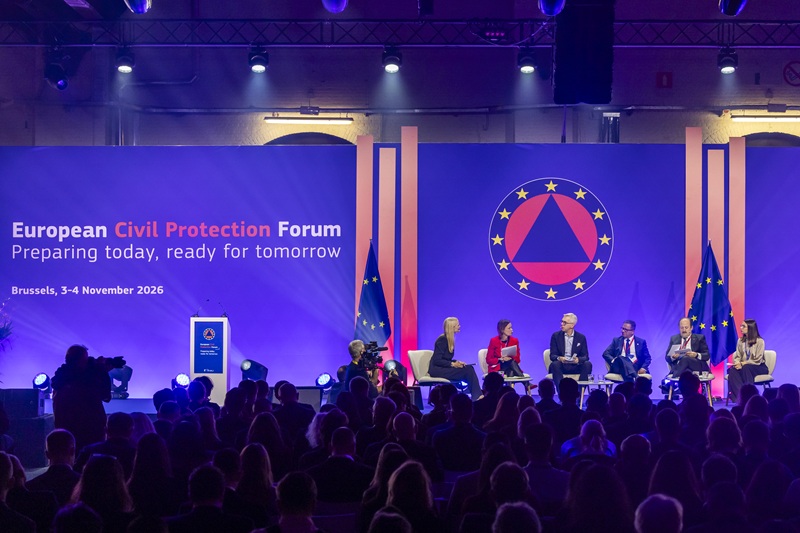
On 3 and 4 November, the Red Cross EU Office, the IFRC and several National Red Cross Societies participated in the 9th European Civil Protection Forum in Brussels. Organised by the European Commission's Directorate-General for European Civil Protection and Humanitarian Aid Operations (DG ECHO), the Forum brought together civil protection authorities, policymakers, practitioners and researchers under the theme "Preparing today, ready for tomorrow".
As Europe faces increasingly complex risks, from extreme weather and health emergencies to cyber threats and conflict, discussions throughout the Forum reinforced that preparedness is a shared responsibility. Building resilience requires people, communities, institutions and civil society to be equipped and empowered to prepare for and respond to crises together. As Hadja Lahbib, European Commissioner for Equality and Commissioner for Preparedness and Crisis Management, noted: “We are putting preparedness at the heart of everything we do.”
Preparedness is built before disasters happen
"Preparedness must be built all year round, not when temperatures rise," noted Alice Ferrari, Italian Red Cross volunteer. "Warnings alone don't save lives. Early action does."
The experience of Alice reflects a broader lesson highlighted throughout the Forum: preparedness is not only about responding when an emergency occurs, but about investing in the people, relationships and systems that enable communities to act before a crisis escalates.Preparedness is often understood in terms of emergency plans, systems and individual actions. These matter, but they are only part of the picture. Resilience grows through trusted relationships, engaged volunteers and the active participation of communities. These same connections help people navigate everyday challenges and become even more important during times of crisis.
Throughout the Forum, participants highlighted the role of community networks, local organisations and public authorities in helping people prepare for, respond to and recover from crises. Experiences shared from Ukraine highlighted the importance of investing in preparedness before emergencies strike and learning from those who have already faced them. "Ukraine's experience shows that preparedness for emergencies is not only about resources and equipment. It is primarily about the people, their preparation, ability to act quickly and effective coordination between all services. In the face of full-scale conflict, we see every day the importance of investing in local capacity development, volunteer training, and community resilience," shared Maksym Dotsenko, Red Cross of Ukraine Director General.
Volunteers make preparedness possible
Throughout the Forum, volunteers were recognized as a critical part of preparedness. Present in communities before, during and after disasters, they help raise awareness, share reliable information, support people who may otherwise be left behind, and connect communities with public authorities. Their local knowledge and relationships make them uniquely placed to strengthen resilience.
Participants also stressed that volunteering requires investment. Training, coordination and support are essential to ensure volunteers can contribute safely, effectively and sustainably. As Miriam Alba Reina, RCEU Disaster Management Officer, concluded during the discussions, "we should not only ask what volunteers can do for civil protection, but also what civil protection systems must do to enable, protect and retain their volunteers", concluded. This means creating the conditions for volunteering to thrive, recognising volunteers as an integral part of preparedness efforts rather than an additional resource.
Trust and inclusion strengthen resilience
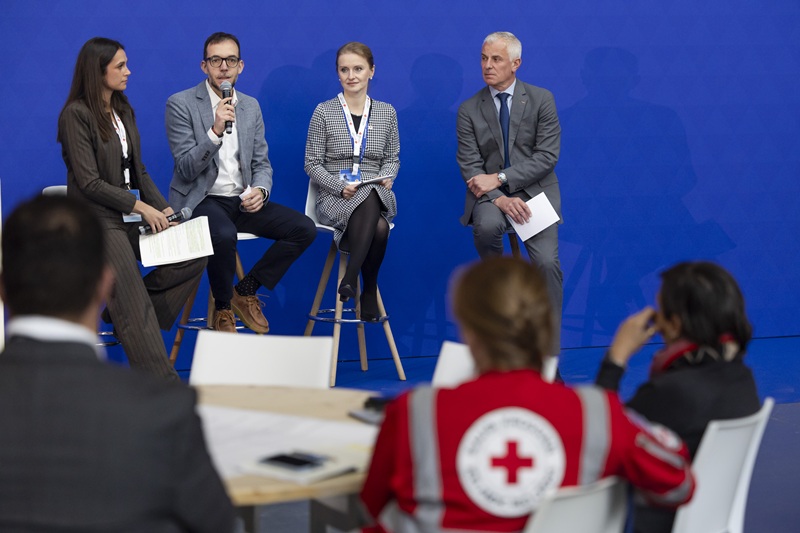
Effective preparedness depends on trust. It is built over time through engagement, clear communication and a consistent local presence, not at the moment a crisis begins.
As Xavier Castellanos, IFRC Under Secretary General for National Society Development and Coordination, noted: "Building and maintaining trust, access, and acceptance at the local level is a key dimension of preparedness, enabling us to work effectively with communities when disaster strikes."
Preparedness must also be inclusive. Early warning systems, emergency planning and public information need to reach everyone, including people who may face additional barriers during emergencies.
Investing in preparedness means investing in people
Across discussions on volunteering, inclusion, partnerships and community engagement, preparedness was consistently framed as a shared effort.
Strong emergency systems remain essential. But they are most effective when supported by volunteers, trusted local actors and communities that are connected, informed and engaged.
As the EU continues to strengthen its preparedness agenda, investment should support not only emergency response systems and individual readiness, but also the people and organisations that help societies anticipate, withstand and recover from crises. Because preparedness starts long before disaster strikes, through the relationships, trust and participation that strengthen communities every day and help people support one another when crises occur.
For media inquiries, please contact Eva Oyón on: eva.oyon@redcross.eu or +32 2 235 09 22
