


Falling through the cracks: how the Red Cross is reaching those food aid forgets
Across the European Union, more people are turning to food aid, shelter, and other forms of emergency support as everyday pressures intensify. Rising living costs, housing shortages, and gaps in social protection are pushing individuals and families into increasingly fragile situations, reaching groups who once felt relatively secure, and deepening hardship for those already struggling.
For many, the shift is sudden. A period of illness, unexpected expenses, or mounting debt can quickly upend financial stability. And while slipping into hardship has become easier, finding a way out remains far more difficult.
When the safety net has gaps
In the Netherlands, around 450,000 people are living in what is increasingly described as hidden food poverty, struggling to afford basic necessities, but invisible to the systems meant to help them. They may earn just above the eligibility threshold for food assistance, lack a fixed address, are afraid to accept government aid or carry financial burdens too complex to fit neatly into existing categories. As a result, they fall through the cracks, left to manage on their own.
Amparo de Bruijn-Wols knows this reality well. She and her husband ran a small business and were raising three children when a heart attack left her husband hospitalised and their income gone. She filed for bankruptcy. Overnight, the family faced a gap of 1,500 euros a month and found that no support programme would take them in.
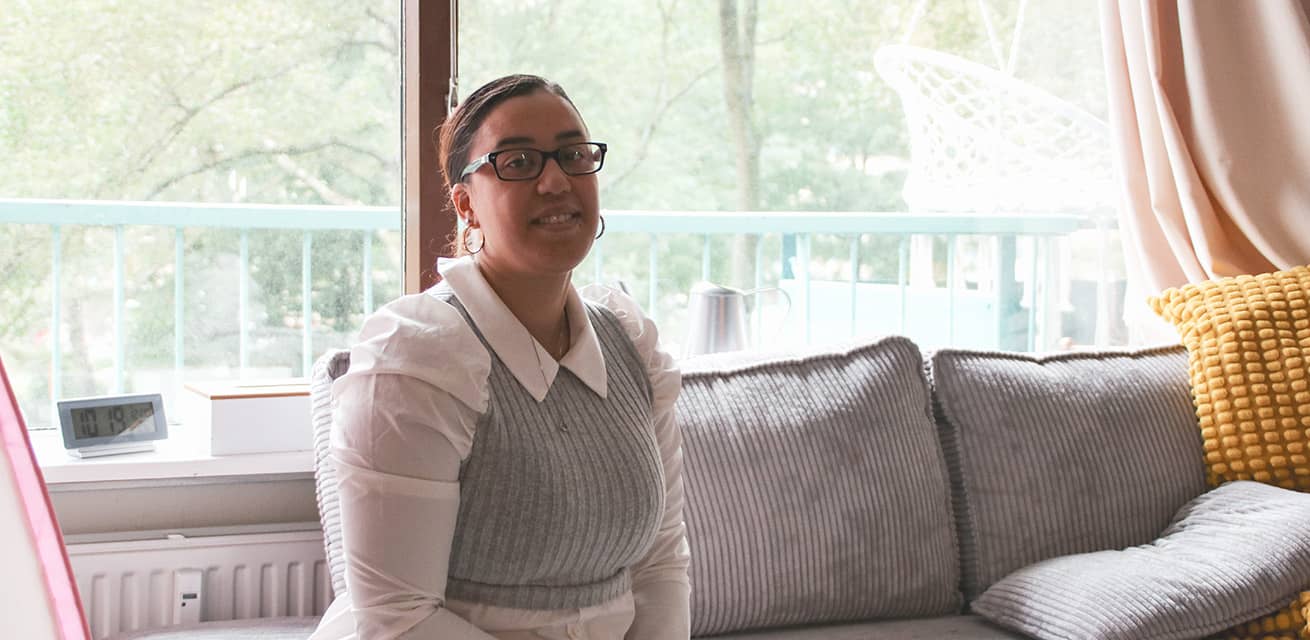
"We constantly fell by the wayside because we just didn't meet all the conditions," she explains. "Your children are your top priority, no matter what. But you are constantly puzzling and filling in gaps to be able to feed them."
Amparo's story is not exceptional. It is the story of hundreds of thousands of people across the Netherlands and many more across the EU.
A different kind of support
To respond to this need, the Netherlands Red Cross developed the Grocery Cards via Partners programme, a cash assistance initiative built not on creating new systems, but on working through the trusted ones that already exist.
At the heart of this approach are organisations like the Krachtvrouwen Foundation in Rotterdam, run by Amina Hussen. A former refugee from Somalia who fled conflict 34 years ago, Amina has spent years building trust with women in vulnerable situations across the city. Every day, between ten and twenty people knock on the door of her community centre looking for help.
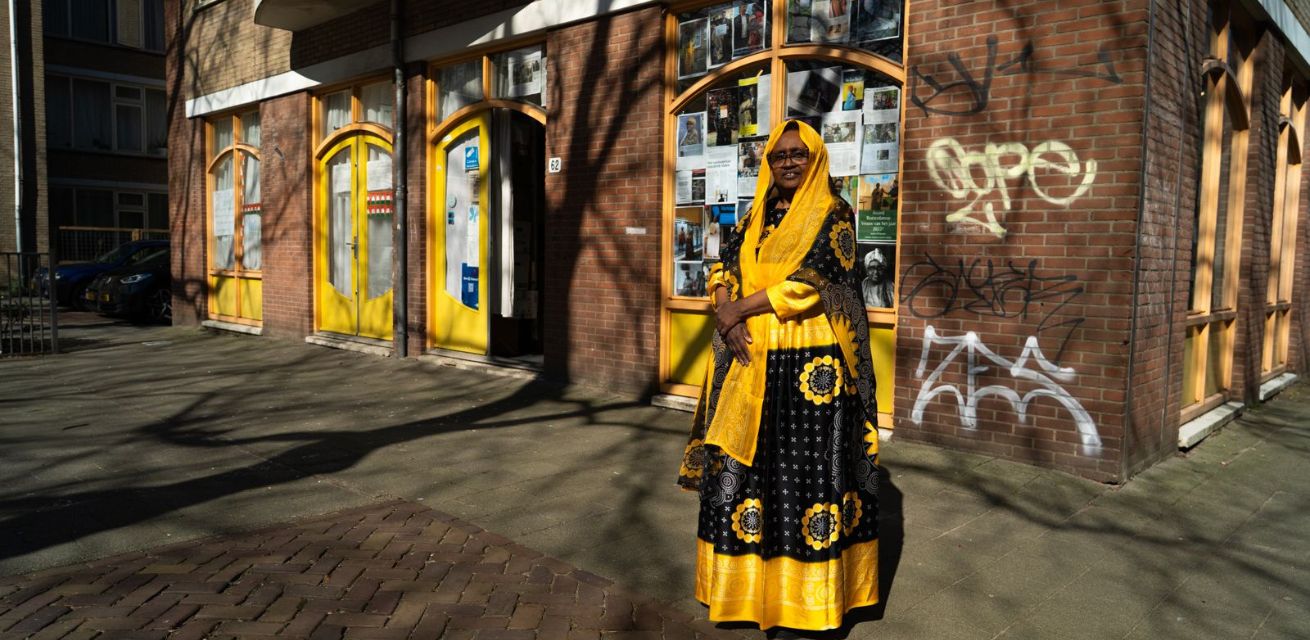
"Sometimes they don't even have enough money to buy food at all, for the whole family. Everything is so expensive these days that they are struggling to make ends meet," she says. "They often have to choose: buy medicine, pay the bills, or eat."
Through partners like Amina's foundation, the Red Cross reaches people it could not reach alone. Individuals receive grocery cards they can use to purchase food directly: practical, immediate, and unconditional. The support is designed to be short-term, typically up to six months, offering relief without creating dependency. Registration is kept deliberately simple, because the programme understands that asking for help is hard, and that fear and shame are barriers as real as any eligibility rule.
For Amparo, the support of the Red Cross came in two stages. Through the School Meals Programme, a government funded initiative ensuring that 350,000 children across the Netherlands attend school with a full stomach, her children had meals while the family worked to regain stability. When the family had to move and the new school was not affiliated with the programme, that support stopped. The grocery card then stepped in where the School Meals Programme could not follow.
"It takes so much mental strength to keep staying strong and constantly figuring out how to feed your children. The grocery card from the Red Cross is a huge relief - at least it's one less thing to worry about," Amparo says.
More than a grocery card
The programme does not stop at food. It is designed as a bridge, a moment of relief that creates space for people to take the next step.
Through partner organisations, individuals are connected to longer-term support: debt counselling, social assistance, and other services that can address the pressures behind the immediate crisis. The grocery card buys time. Amina sees this transformation every day in the women who come through her door.
"The woman comes here and receives the card, but the whole family benefits from it. I see the change in the person, the smile that comes back. The family can eat healthily again, and it relieves the stress they experience."
And beyond the practical relief, both Amina and Amparo speak to something deeper: the importance of letting go of shame. "There is no shame in asking for help," Amparo says. "It’s an incredibly difficult situation, but speaking up about it is crucial if you want to be supported." It is a message Amina echoes every day from her community centre and one that the programme is built around.
Emergency assistance matters, and so does what comes after
The rising demand for food aid across Europe is a signal that cannot be ignored. Emergency assistance remains essential. It provides a lifeline in moments of crisis, and it must always be delivered with dignity and without conditions.
But emergency assistance is not a solution to the pressures that make it necessary.
Lasting progress depends on strengthening the systems that shape daily life: accessible social protection, affordable housing, inclusive health and social services, and community networks that ensure no one is pushed to the margins. When these systems work for everyone, people have the stability they need to move out of crisis and stay out of it.
The Netherlands Red Cross programme is a reminder of what is possible when support is designed around people rather than eligibility criteria. Amina puts it simply: "We have a lot of nationalities, and we don't need to know where they come from. The most important thing to know is that we are all human."
That is not a bad principle for policy, either.
Basic information
Country
Netherlands
