


How Communities in Greece Are Facing Extreme Heat Together
Under the shade of a metro overpass in Athens, a Hellenic Red Cross van pulls up. Before the volunteers even open the doors, a few people are already walking towards them.
"The Red Cross is a very strong sign," says Miriam Karela, a social welfare volunteer. People know that as soon as they see it, someone is going to help.
That recognition is the foundation of a much larger effort. As heatwaves in Greece grow more frequent and more intense, the Hellenic Red Cross has built a response that meets people where they are: in the street, their home, or the metro platform.
Reaching People Living Rough
When temperatures reach extremes, people experiencing homelessness are among those most exposed in society. The Hellenic Red Cross’ street work project rests on three actions: preparing supply packages, mapping people who are sleeping rough across the city, and offering psychosocial support. These interactions offer an opportunity for volunteers and people experiencing homelessness to connect as individuals. Volunteers say these conversations are often meaningful and cathartic, helping them better understand people’s circumstances and priorities, and adapt support accordingly.
For one man in Piraeus, that support is a reliable presence in his neighbourhood. "The Hellenic Red Cross is helping all the people. It is always by our side, where I live," he says. "It provides us with medicine, food, sleeping bags, and all kinds of medical support - whatever we need."
Caring for older people and people confined to their homes
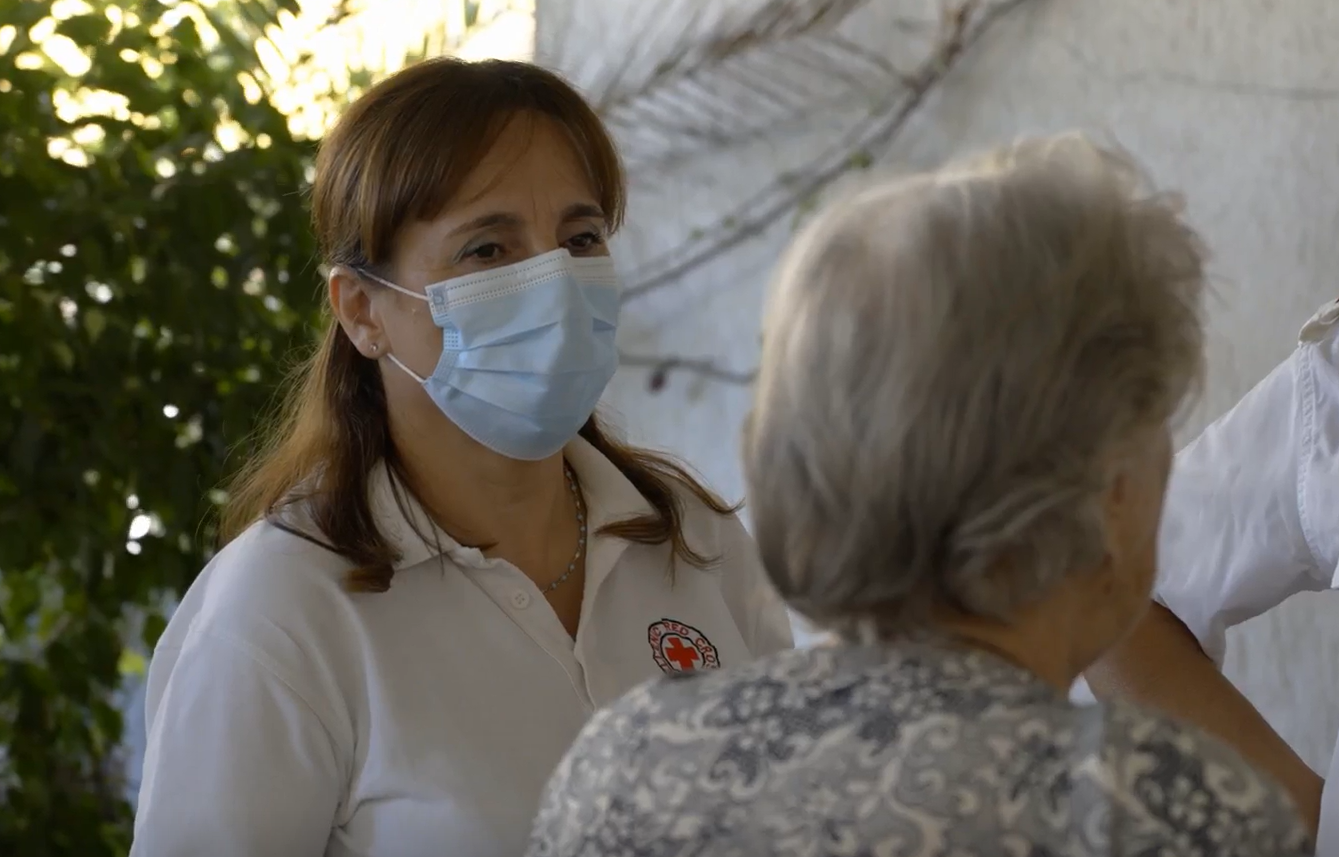
Heat-related health issues do not only affect people on the street. "Greece is a country where heatwaves have been occurring more frequently, and becoming more intense in recent years," says Maria Agoraki, Head of the Nursing Services at Home programme at the Hellenic Red Cross. In response, the organisation focuses on informing and protecting those facing greater risks: older people, those living with chronic illnesses, children, and pregnant women.
Anastasia, an older woman who receives support from the Hellenic Red Cross, feels that impact directly. "With the heat, things are very difficult for me because I experience dizziness and vertigo due to the treatment I'm undergoing," she says. "I can't tolerate high temperatures at all... I only go out for medical appointments with the assistance of the nurse. I greatly appreciate the help offered to me.”
A hotline that speaks many languages
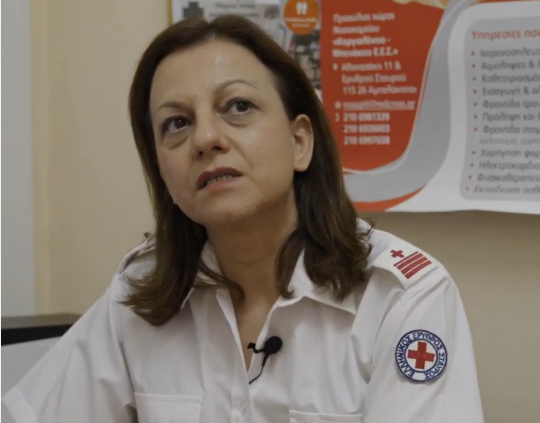
For people navigating heatwaves without a support network, the first point of contact is often a phone call. "The first place someone with a heatwave problem is going to call is the hotline," explains Eftychia Papalouka, Coordinator of the Multifunctional Centre for Refugees in Athens. Hellenic Red Cross staff direct callers to cool places to rest and connect them to medical care and hospitals, including people who speak neither English nor Greek.
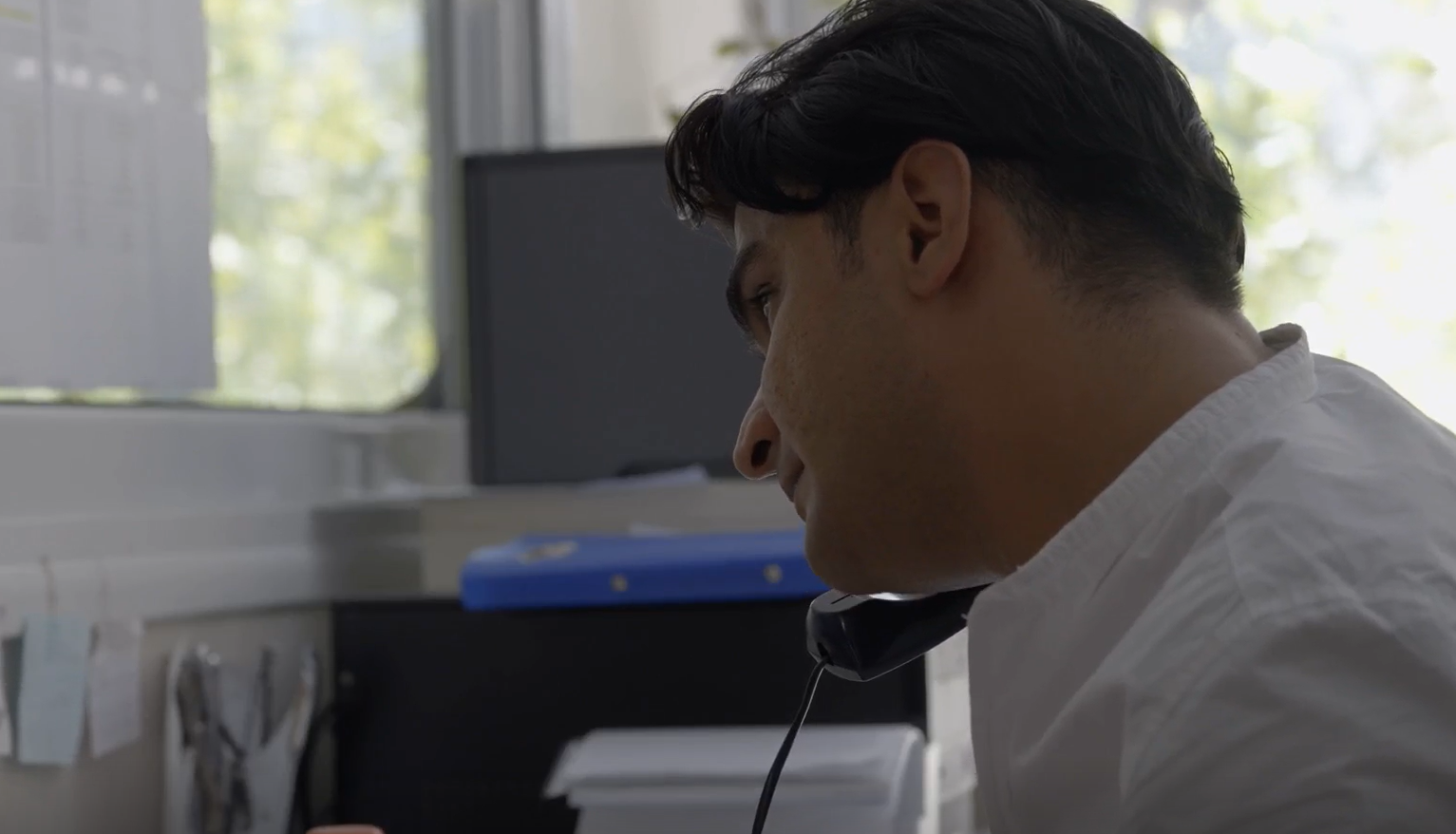
That last point matters. Khalid Momanjay, a cultural mediator and interpreter with the hotline team explains how they receive calls from people with many nationalities and backgrounds, including people from Pakistan, Afghanistan, Ukraine and several African countries. The Red Cross helps to ensure that a language barrier is not the reason someone doesn't get help.
Supporting people before the heat
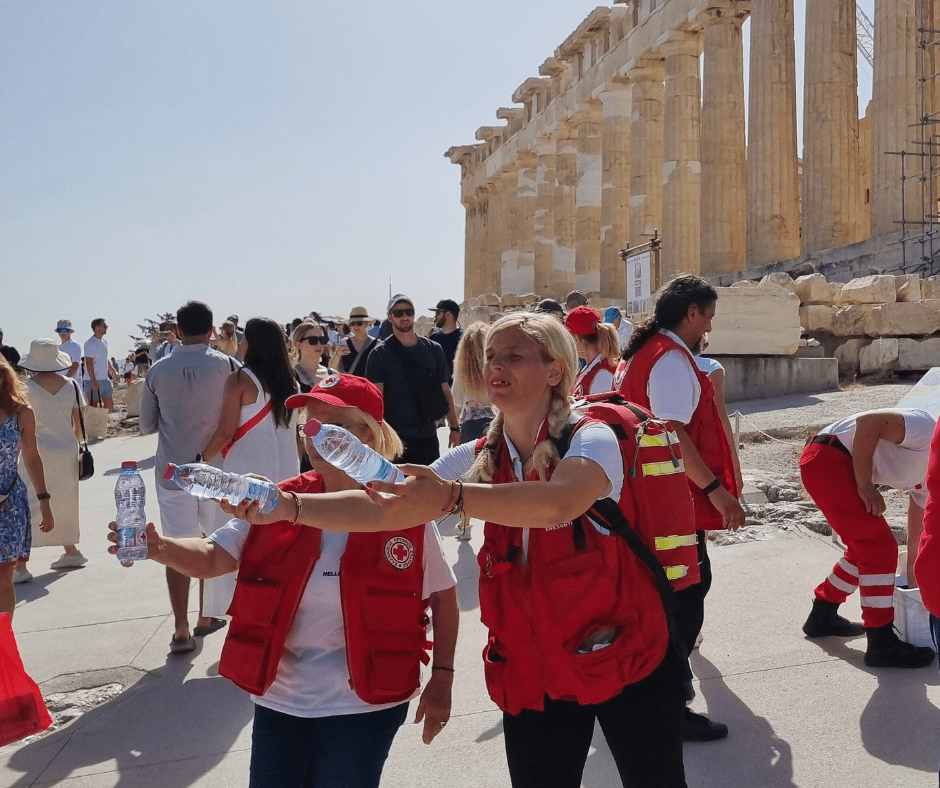
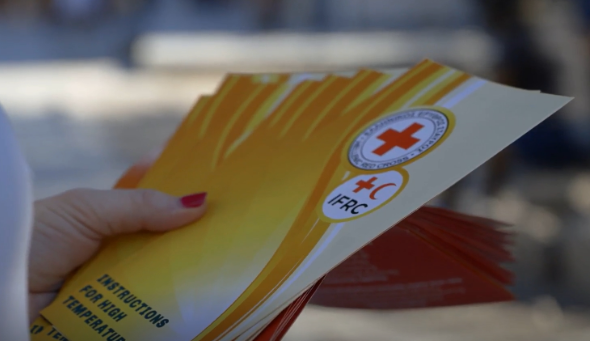
The Hellenic Red Cross also works to reach people before a crisis begins. "We are focusing on running campaigns in public places such as metro stations, the airport, and other central places," says Konstantinos Gavrilidis, Communication Manager, with videos and information helping people recognise and avoid heatstroke. Social media campaigns on Facebook, X, Instagram, and TikTok extend that message to younger audiences.
What this means for EU policy
These stories are, in miniature, what Europe’s climate resilience challenge looks like in practice. Extreme heat is already pressuring people's daily lives and the services meant to protect them. Often, those already facing exclusion, isolation, poverty, poor health, homelessness, or language barriers are hit first and hardest.
The Hellenic Red Cross experience shows that effective climate resilience starts long before a heatwave arrives. It requires identifying people most at risk, building trusted relationships with them, and designing tailored support that reflects their needs. Early warnings, preparedness plans, and public services are only effective if they reach those who need them most.
As the EU develops its upcoming Integrated Framework on Climate Resilience, it has a unique opportunity to translate these lessons into policy. The Framework should place people experiencing heightened vulnerability at its centre, helping Member States identify demographics disproportionately exposed to climate risks, strengthening community-based early warning and anticipatory action, and providing predictable support to local actors working directly with at-risk communities. Health, care, and social protection systems must also be equipped to act before risks become crises. These are essential to delivering the Framework’s ambitions on just resilience and local action.
Frameworks matter. But so does a van under a metro overpass, a nurse checking in on someone who is unable to leave their house, a hotline answered in five languages. Europe's climate resilience will ultimately depend on its ability to reach those most at risk before extreme heat does.
