


Local action in the face of climate displacement
When disasters strike, local actors enrooted in their communities are transforming how people adjust and stay resilient in face of growing pressures. As highlighted in the IFRC’s report Forced to Flee in a Changing Climate, “locally led and collective action can help people to adapt, move to safer areas, and recover and rebuild with dignity.”
Across Africa, climate-related hazards—floods, droughts, storms, and heatwaves—are becoming more frequent and intense. In 2024 alone, 7.8 million people on the continent were displaced by disasters, which is 1.8 million more people than in 2023[1].
The climate crisis is not happening in isolation. Climate hazards often combine with other problems like conflict, unstable economies, and lack of food. Together, these challenges make life even harder and slow down recovery for communities. Those already experiencing heightened vulnerability, such as displaced families, women, children, and people with disabilities, are usually the ones who are most affected.
Yet, amid these hardships, communities are showing remarkable resilience and adaptability. People are taking steps to expand their choices and take long-term decisions that promote the recovery and wellbeing of their communities.
Acting early ahead of disasters, saving lives and livelihoods
Preparedness makes a real difference in reducing the impacts of climate risks. Steps like early warnings, quick action, and mapping safe shelters and evacuation routes help people to move to safety with confidence. In Mozambique, the Red Cross is working with communities who have already faced crises to strengthen inclusive and accessible early warning systems. In Malawi, evacuation details are shared in real time before disasters strike, giving people a chance to make informed decisions and act swiftly.
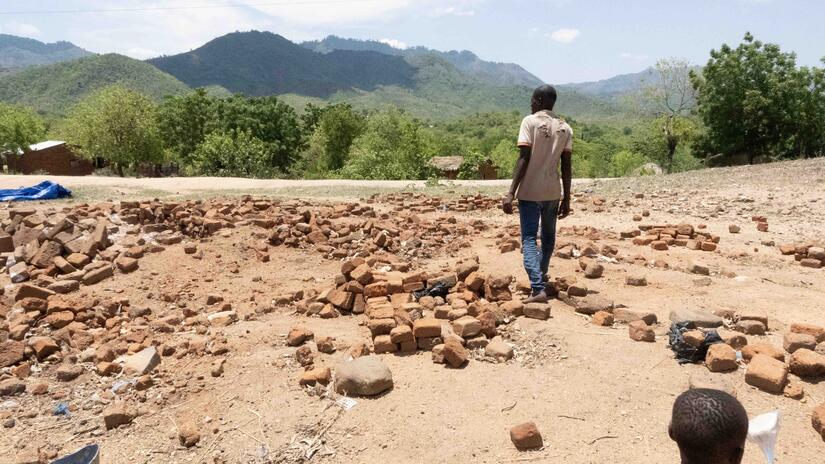
Climate change is reshaping access to services, livelihoods, and health. But local solutions are helping communities to adapt. Nature-based strategies, social protection systems, and climate-smart practices are opening new pathways for people to stay in their homes, if they choose to.
In Niger, communities are taking pre-emptive action to strengthen their resilience and protect their livelihoods. By planting seeds that can survive drought and re-filling local cereal banks, people have more food security and need less emergency aid when crises unfold. The Somali Red Crescent is supporting local markets through micro-economic initiatives, which help communities navigate the potential impacts of droughts and food insecurity.
Community-led risk assessment and response
Understanding local risks is key to building relevant and appropriate resilience building strategies. Across the continent, communities are working to map hazards and conduct risk assessments at the local level. These efforts help plan and prepare ahead of potential disasters, equipping people to better adapt to the impacts of a changing climate.
When displacement occurs, local actors are often the first to respond—providing food, water, shelter, and protection. Inclusive, rights-based approach ensure that groups experiencing vulnerabilities, including older persons and people with disabilities, are not left behind.
In South Africa, the Red Cross gathers scientific data to anticipate flooding and prioritise support for displaced communities. This proactive approach ensures that aid is timely, targeted, and effective. While in Chad, volunteers are trained to deliver protection-sensitive support to flood-displaced communities.
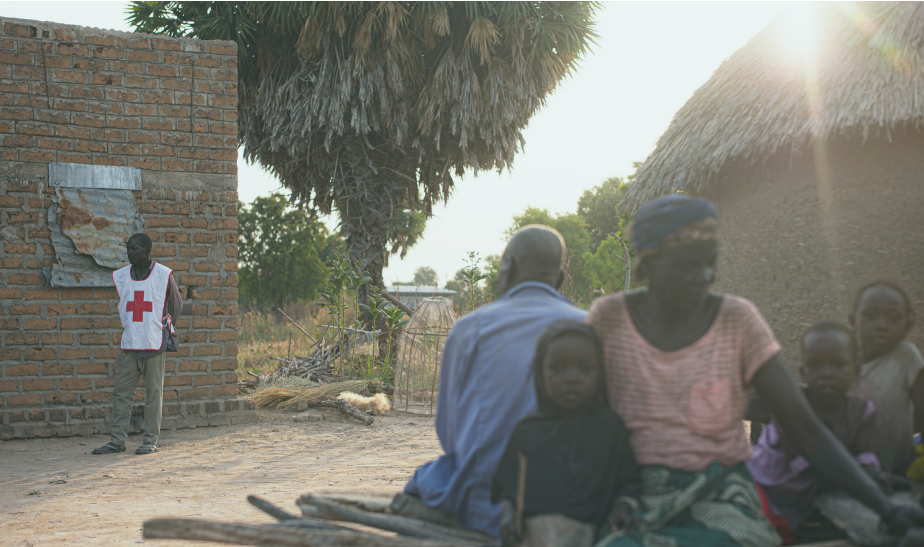
Rebuilding Lives, Restoring Hope
Recovery doesn’t end when the disaster does. Whether people return home, settle in new areas, or remain in displacement settings, local actors are supporting them to rebuild their lives with resilience and hope.
In Ethiopia, the Red Cross is providing mobile health clinics, cash and voucher assistance, shelter support, and livelihood opportunities to displaced households. These efforts are meeting immediate needs while also laying the foundation for long-term recovery and stability.
Displacement linked to disaster and climate change is already reshaping people’s lives and entire communities. As climate impacts accelerate, the urgency for action grows.
[1] Data from Internal Displacement Monitoring Center. These figures refer to displacements not people, because some people were forced to move more than once.
Basic information
Country
Chad, Ethiopia, Malawi, Mozambique, Niger, Somalia, South Africa.
