


Prepared together: how inclusive risk communication is building resilience across Europe
When a crisis unfolds, information can save lives. But only if it reaches everyone.
Across Europe, disasters are becoming more frequent and more complex: from floods and wildfires to public health emergencies. And these hazards rarely arrive alone. Economic pressures, social fragmentation, and longstanding inequalities can compound their impact and turn everyday vulnerabilities into emergencies. In these moments, preparedness is not only about systems, infrastructure, or response capacity. It is about people: whether they understand the risks they face, whether they trust the information they receive, and whether they can act on it.
The EU Preparedness Union Strategy marked a shift towards a more proactive and coordinated approach to managing risks. But translating this vision into reality largely depends on what happens locally, within communities, households, and among those most at risk of being left behind. Societal preparedness is about ensuring that people are not only protected, but equipped to anticipate, cope with, and recover from crises.
Building trust before disaster strikes
Crises do not affect everyone equally. The same warning message, delivered in the same way, can have very different outcomes depending on who receives it. For some, it leads to immediate action. For others, it may not be understood, trusted, or even received at all.
Language barriers, limited access to digital tools, social isolation, and mistrust in institutions are just some of the factors that prevent people from accessing critical information when it matters most. This leads to gaps in protection and support, particularly for underserved and marginalised communities. Harmful information adds another obstacle: misinformation and disinformation spread during crises can cause communities to misjudge threats, lose confidence in those trying to help, or turn away from life-saving guidance altogether, making it even harder for the right information to reach those who need it.
Inclusive risk communication addresses this directly. It goes beyond broadcasting warnings. It means engaging with diverse people and communities, listening to their concerns, and adapting messages to their realities: communicating in multiple languages and formats, reaching people through trusted local channels, and creating space for dialogue and feedback.
Above all, it means building trust long before a crisis occurs. Trust is central to enabling people to act on information, support one another, and stay connected in times of uncertainty.
Reaching people where they are: lessons from Hungary
In Hungary, the Red Cross has put this approach into practice by focusing on people that standard communication channels often fail to reach.
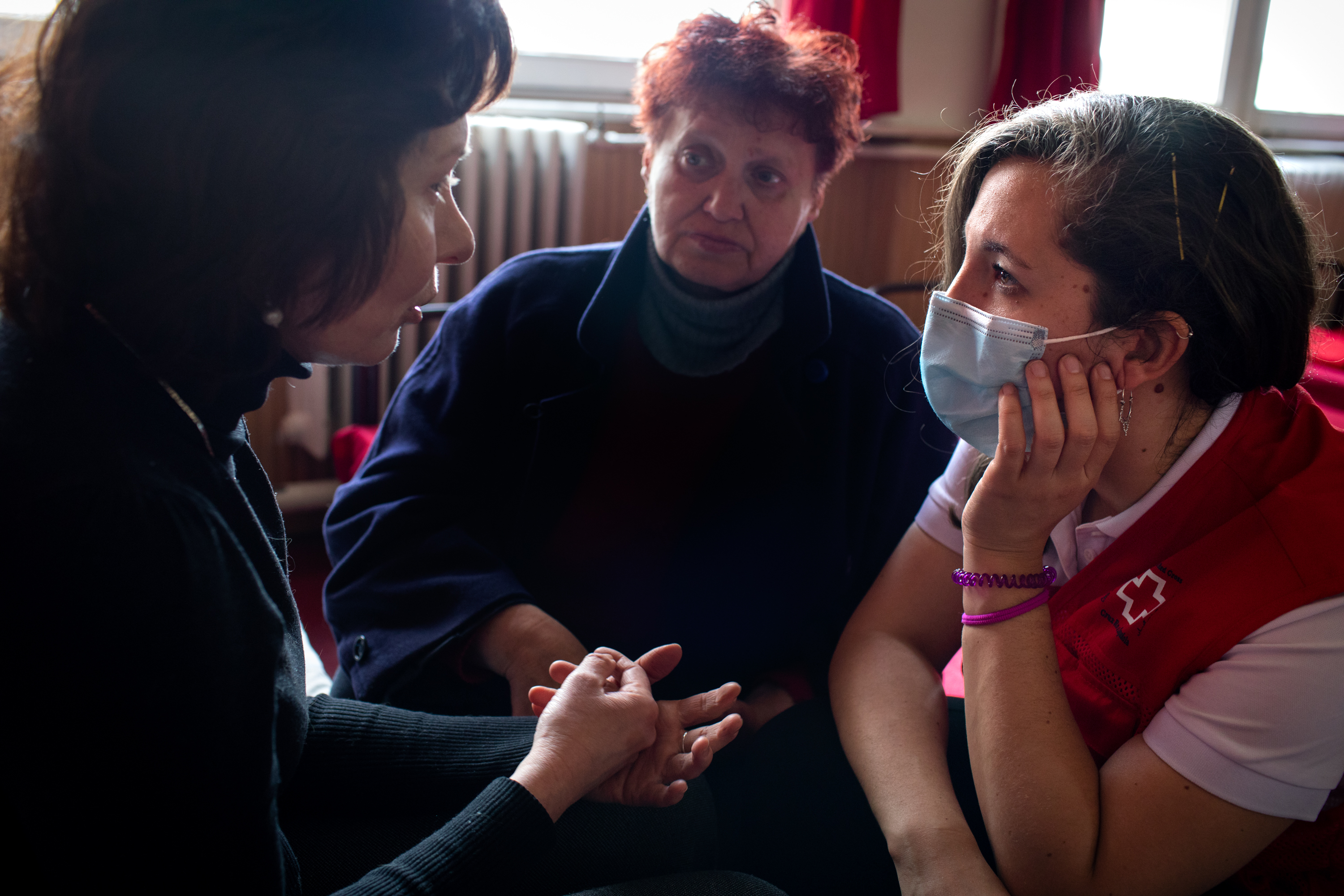
When floods threatened in 2024, information was translated into Romani and Ukrainian so that displaced and minority communities could access life-saving guidance. Volunteers went door-to-door, walking people through evacuation procedures and answering questions in the languages they spoke at home. A few years earlier, during COVID-19 vaccine outreach, sessions were held in local dialects. The focus was not on delivering messages, but on holding conversations, listening to people’s worries and questions, and addressing them directly and transparently. As a result, communities that had been hesitant became more engaged.
“There is a growing need not only for credible information sources, but for credible organisations that people trust, so that the information they provide does not have to be questioned,” said Dr. Brigitta Sáfár, Head of Disaster Management at the Hungarian Red Cross.
Effective communication is not about volume. It is about connection.
Listening as a form of preparedness: insights from Slovakia
Inclusive communication is as much about listening as it is about speaking. When people displaced from Ukraine started to arrive in Slovakia in 2022, the Slovak Red Cross needed to quickly design and roll out a shelter programme. The pressure to act was immediate. But rather than working from assumptions, the team paused to ask the people affected and hosts what they actually needed. The aim was to provide rental assistance to displaced Ukrainians and financial support to host families; relieving pressure on the overstretched rental market.
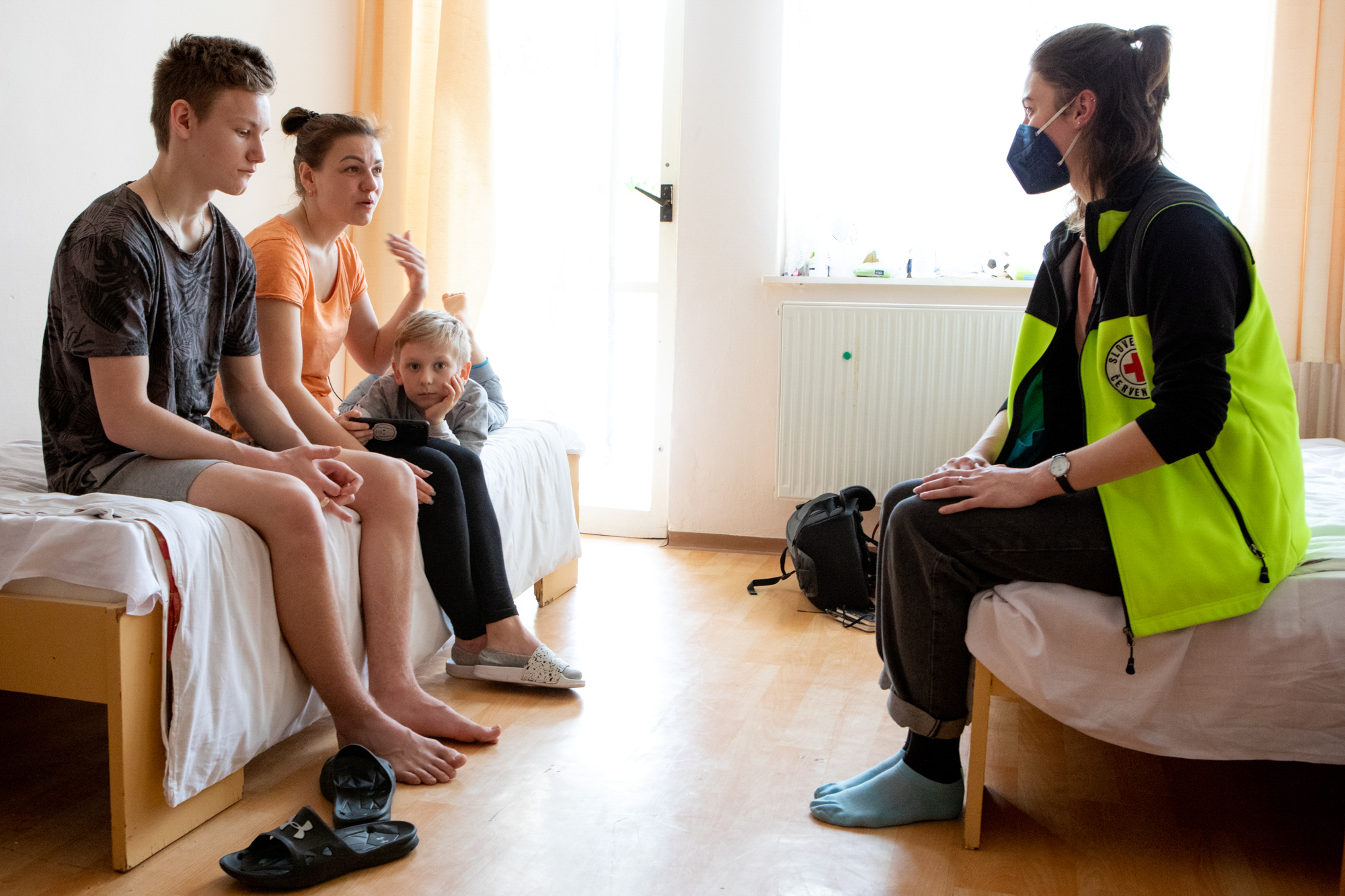
Over the course of a single week, volunteers and staff held small, informal focus group discussions, often meeting in private homes, around kitchen tables. What they heard reshaped the programme entirely.
"Without understanding the needs and challenges with hosting and renting, we'd be making the programme up with no information. But we had to act quickly," said David Dalgado, Shelter Surge at the Slovak Red Cross.
The conversations revealed things that no dataset could have shown: hidden costs for host families covering their guests' medical travel, risks of exploitation within hosting arrangements, and women unable to work because there was nowhere for their children to go. Each finding led to a concrete change in how the programme was designed.
"The focus group discussions took a week but saved us a lot of time later fixing things that wouldn't have worked," David reflected.
A shared responsibility for a more resilient Europe
As the EU moves forward with its preparedness agenda, there is a clear opportunity to ensure that societal preparedness is truly inclusive.
Resilience is not built through coordination mechanisms alone. It is built where inclusion, preparedness, and response come together where people live and connect. Preparedness measures are only as strong as their ability to reach the people who need them most.
For the EU, that means recognising the essential role of local actors, investing in community engagement, and building inclusive risk communication into preparedness efforts from the start, not as an afterthought, but as a foundation.
Because in a crisis, information is not enough. It must be understood. It must be trusted. And it must reach everyone.
