


Tackling non-communicable diseases in humanitarian settings
Across the world, inspiring efforts are underway to ensure that care for non-communicable diseases (NCDs) is not forgotten, even in the most difficult circumstances.
Amid humanitarian crises, a quiet but urgent challenge often goes unnoticed: NCDs. Conditions like diabetes, hypertension, asthma, mental health disorders, and cancer affect millions of people globally. In crisis settings where health systems are undermined, they can become even more life-threatening.
A global health priority
NCDs are responsible for 74% of global deaths, with the majority occurring in low- and middle-income countries. In humanitarian crisis contexts, people living with NCDs face heightened risks due to disrupted health services, displacement, and economic hardship, among others. Yet, there is growing recognition that NCD care must be integrated into emergency health responses, especially through primary health care systems that are accessible, affordable, and community based.
Lebanon: finding strength in community
Lebanon is one of the countries with the highest number of refugees per capita in the world[1]. The country has faced a series of overlapping crises in the last decades. Despite these challenges, people in Lebanon are demonstrating how resilient health systems can adapt to meet the needs of all communities.
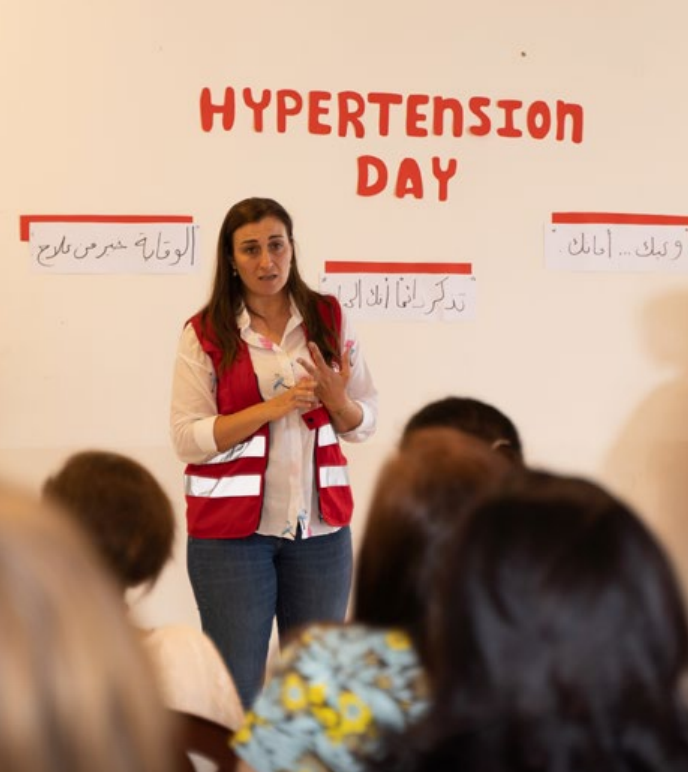
In the last years, more people are turning to the public health system, that provides medicines either free or at a much-reduced cost. In this context, the Lebanese Red Cross has stepped up, operating 36 primary care clinics that focus on cardiovascular disease, diabetes, and mental health. These clinics offer peer support groups, and integrated care, helping thousands of people to manage their conditions.
Rabiha Yammine, a former nurse from Beirut, is living through economic hardship, and managing hypertension, diabetes, and high cholesterol with support from colleagues at a Lebanese Red Cross clinic. But beyond the medical care, the peer support group is what makes the biggest different for Rabina. The group provides a space for women to meet, share experiences, learn about their health and build friendships.
“I leave the house and meet people, and I can feel my wellbeing improving. It is only one or two hours, but I feel happy when I get home!,” she says. Rabina’s story underlines the power of community-based care and the importance of emotional support in managing chronic conditions.
Afghanistan: overcoming barriers to care
NCDs account for an estimated 53% of deaths in Afghanistan[2]. For Bismillah, a pharmacist who has worked at the Sediq clinic run by the Afghanistan Red Crescent Society in Herat’s West Zone for 15 years, the motivation is personal: “Ever since I was a child, I saw people suffering from NCDs and other diseases, and I have always had the wish to help the people of my community – so that’s why I chose to become a community health worker,’ he explains.
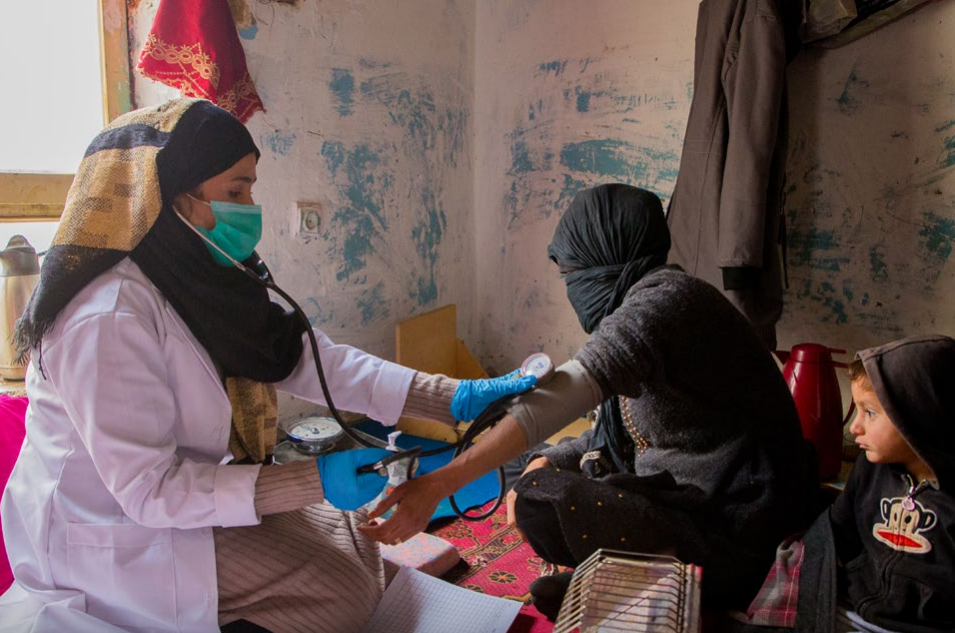
The clinic receives up to 200 patients a day, many of whom live with diabetes, hypertension, chronic obstructive pulmonary disease, or asthma. Most are in their forties, and a significant proportion are women. Recent years have brought increased anxiety and stress, particularly for women, highlighting the close link between NCDs and mental health.
Women face multiple barriers to accessing care: male doctors are not allowed to see female patients, they are disproportionately affected by poverty and food insecurity, have limited economic opportunities and are excluded from secondary education.
Too often, poverty prevents patients from receiving the care they need. Even when treatment is free, the cost of transportation can be prohibitive—whether to reach a local clinic or a regional hospital after referral. Patients need more than medication; they need psychosocial support and practical solutions to overcome these obstacles.
A holistic vision to safeguard the right to health in humanitarian settings
To truly address NCDs in crisis settings, we must embrace a holistic, integrated approach:
- Primary health care should include everything from prevention and health promotion to treatment and palliative care.
- There needs to be stronger integration of NCDs and mental health programming, ensuring that people are assessed and referrals are in place.
- Community health workers and volunteers are key to delivering care that is culturally sensitive, cost-effective, and close to home.
Even complex services like basic cancer care can be provided at the district level with the right training and referral systems. Local solutions can be both practical and impactful.
Moving forward with optimism
As a leading global health actor and a key funding partner in crisis settings, the EU is uniquely positioned to champion integrated approaches that link emergency response with longer-term health system strengthening. By reinforcing support for life-saving services and sustained care for people living with NCDs across humanitarian, development, and global health instruments, the EU can help ensure that no one is left behind.
Across humanitarian settings, communities, organisations and governments are working together when it comes to NCD care. By investing in resilient, inclusive health systems, we can build a healthier future for all.
[2] Institute for Health Metrics and Evaluation. GBD compare. Vizhub.
Basic information
Country
Afghanistan and Lebanon
Partners
Danish Red Cross, Lebanese Red Cross and Afghanistan Red Crescent Society
Resources
The Danish Red Cross commissioned the development of four country case studies - Afghanistan, Lebanon, Somalia and Syria - to support the Red Cross and Red Crescent Movement in strengthening NCD service delivery in all phases of the humanitarian response, in countries experiencing protracted crisis situations.
