


From heatwaves to health systems: Locally Led Responses in Basra, Iraq
A six-hour drive south of Baghdad lies Basra, Iraq’s third-largest city. Located close to the Persian Gulf, where the Euphrates and Tigris rivers meet, Basra is the centre of Iraq’s oil industry. Home to 3.7 million people , the city has grown rapidly in the past decade, as many families from surrounding regions have moved here, adapting to the pressures climate change has placed on their lands and ways of making a living.
The climate crisis is no longer a distant threat – it is unfolding in communities across the world. In southern Iraq: its impacts are clearly visible. Rising temperatures, prolonged droughts and water scarcity are reshaping people’s daily lives, affecting incomes, access to essential services, and local economies. In a country still marked by decades of war and instability, these challenges fall on communities with limited room to absorb further shocks.
When extreme heat becomes a crisis
People in southern Iraq are used to hot weather, but drought and temperatures climbing to 52 degrees Celsius are testing the limits of local systems and livelihoods. Many farmers have stepped away from their land as cultivate crops becomes increasingly difficult. As more people relocate and adapt to these changing conditions, informal settlements have expanded and demand for water has grown. These impacts are not felt equally, with those facing the greatest constraints often affected first.
In 2025, an extreme heatwave pushed temperatures up to 53.8 degrees Celsius, with devastating consequences in Basra. Lives were lost and the national power grid shut down, exposing the strain on essential services. In response, the Iraqi Red Crescent, with support from the European Union, mobilised within days. Water was trucked into affected areas, and water systems in hospitals, schools and rural communities were rehabilitated. Drawing on its strong local presence and community trust, the Iraqi Red Crescent was able to act quickly, reaching isolated populations and ensuring support arrived where it was most needed.
Climate change as a health challenge
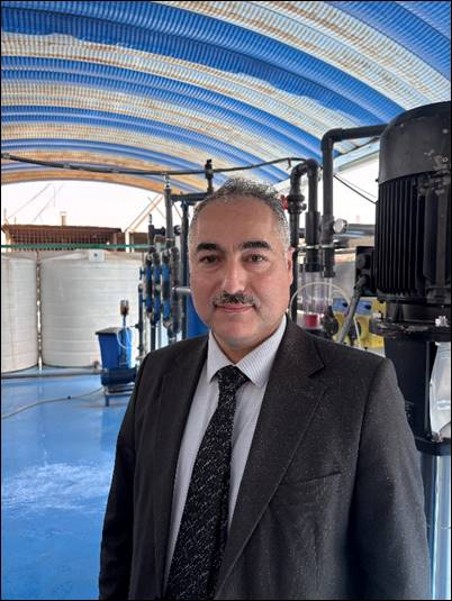
Water scarcity is a growing strain on Iraq’s health system. At Al Fihaa, Basra’s oldest hospital, Dr Nassar Taha Yaseen sees this every day: “We have more and more patients coming through our doors. Operating rooms are dependent on fresh water...it is essential to keep the hospital running and treat patients".
The renovation of the hospital’s water facility, completed in February 2026, will enable the hospital to function under extreme conditions. By securing reliable water access, it is better equipped to maintain essential services and continue caring for patients, even during periods of extreme heat. As climate change intensifies water scarcity and heat waves, it also reshapes public health risks putting more pressure on already fragile health systems.
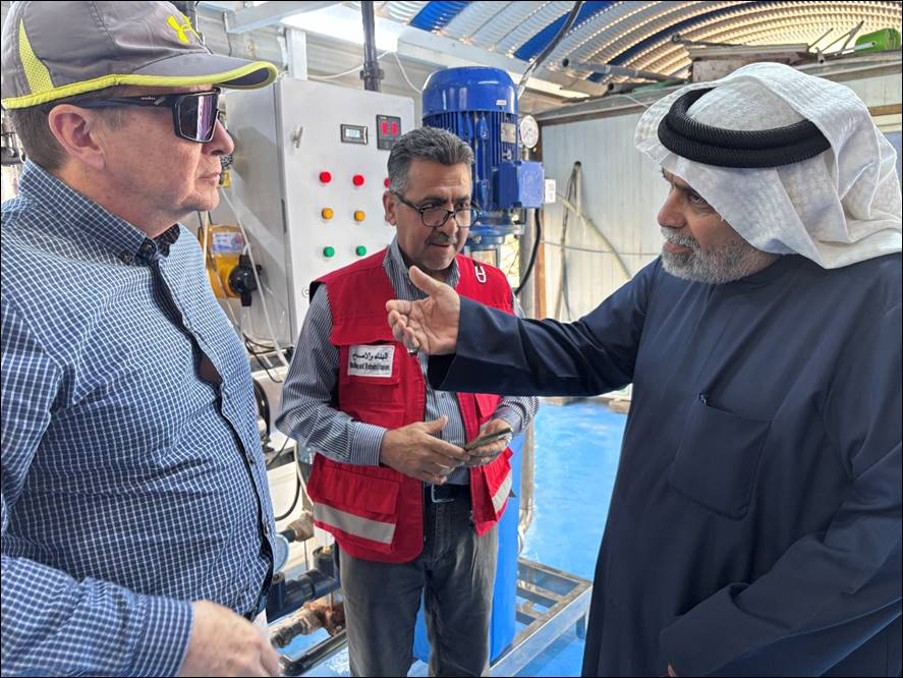
© Carina Wint/Norwegian Red Cross
Locally led solutions in action
In a small village near the Kuwait border, local landowner Sheik Al Ghannam has witnessed these challenges first-hand. An engineer who studied in Germany, he says the population in his village has increased tenfold in recent years. He recalls how water shortages have already sparked unrest: “Basra suffers from scarce water and high salinity… last year there was a water crisis and prices rose. There are not enough water stations across the region.”
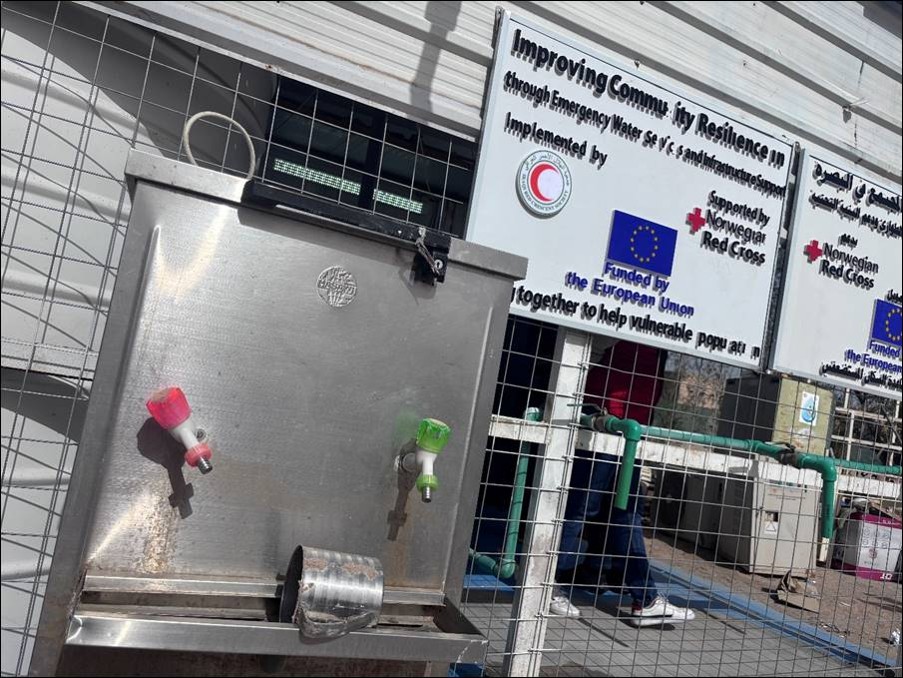
In response, Al Ghannam donated a portion of his land to the Iraqi Red Crescent. With support from the European Union and the Norwegian Red Cross, a reverse osmosis unit was installed to filter trucked-in water. Today, it provides a vital source of clean water for the community. “Around 500 to 600 families collect water from this unit, but people from outside the area come too,” Al Ghannam explains. “Water is not forbidden to anyone—farmers and their families all need it.”
In Basra, where the heat is relentless and water is scarce, people are not waiting for solutions to arrive from elsewhere. They are building them with their neighbours, through local organisations, and with partners who understand that the most effective responses are grounded in trust. Resilience starts with people.
By expanding anticipatory action, increasing direct, simplified and predictable funding for local actors, and investing in early warning systems, climate-resilient health infrastructure and locally-led, community-based solutions, the European Union can strengthen its external action to better support communities on the frontlines of climate change.
As the impacts of climate change increasingly play out as a public health crisis, these investments are essential to ensure that health systems remain functional and accessible under stress. In doing so, it can help ensure that people living in fragile contexts are not only able to withstand climate shocks, but also to adapt, recover and thrive.
